
Necessary cookies help make a website usable by enabling basic functions like page navigation and access to secure areas of the website. The website cannot function properly without these cookies.
5 Customer Engagement Strategies That Build Loyalty
A customer engagement strategy is the plan behind how your brand builds meaningful relationships across every touchpoint in the customer journey - before the sale, during it, and long after. Done right, it drives customer retention, revenue growth, and the kind of word of mouth no ad budget can buy.
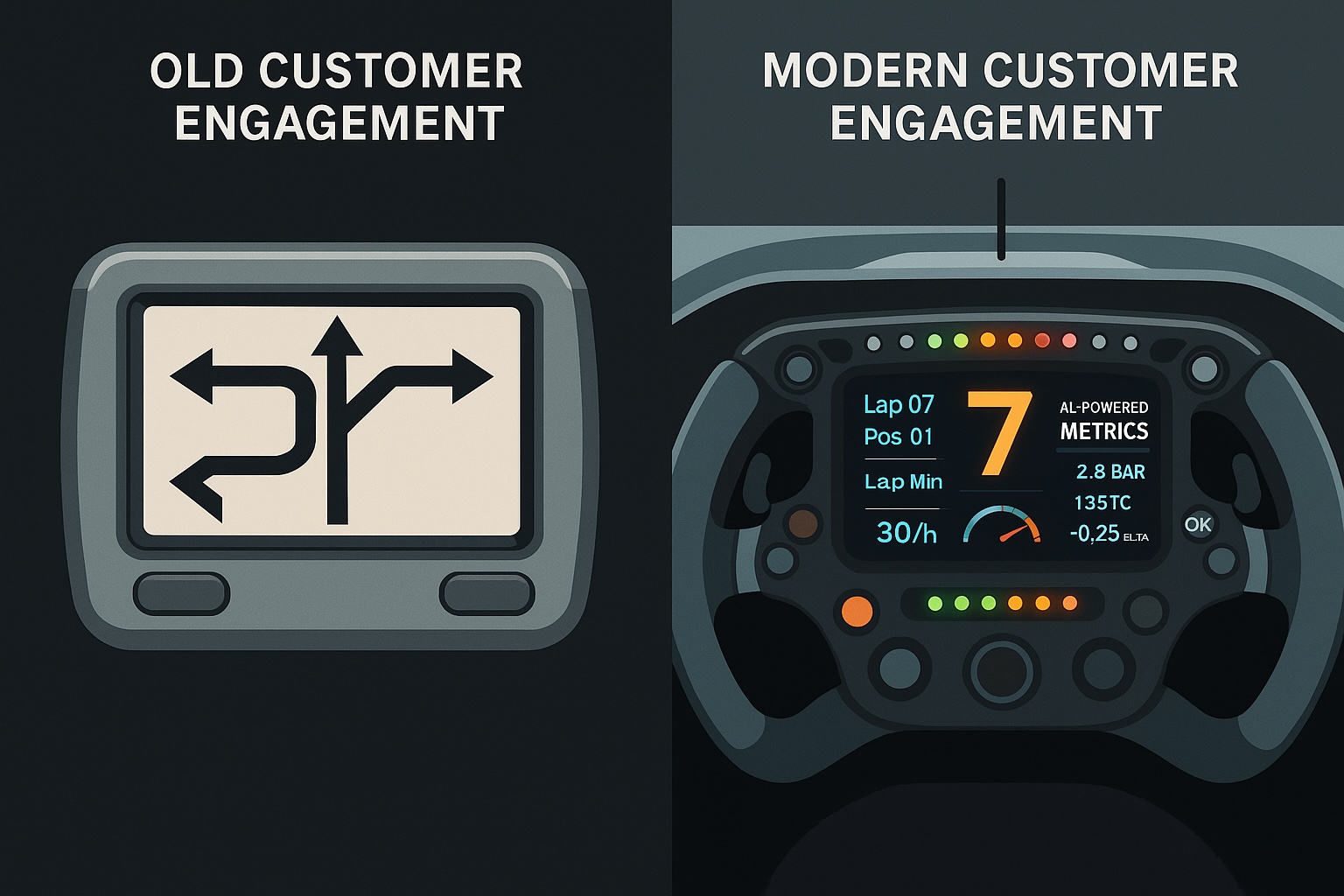
Most brands are still running engagement playbooks built for a different era that ignore purchase history and behavioral data entirely. Meanwhile, customer expectations have moved on. Every interaction is now benchmarked against Netflix, Spotify, Amazon. Winning a Formula 1 race with a 2008 GPS? Technically possible. Recommended? Not so much.
In this guide, you'll find what customer engagement actually means (and what it isn't), plus 5 specific strategies from personalization based on real customer data to building loyalty that compounds over time that you can start applying today.
What Is Customer Engagement?
Customer engagement is every meaningful interaction between your brand and your customers across all channels before the sale, during it, and especially after. It's the emotional thread running through the customer journey that makes someone choose you again, refer a friend, or forgive a late delivery.
Customer Engagement Is More Than Customer Service
It's not the same as customer service (that's reactive). Not the same as marketing (that's usually one-way). And not just customer experience. Experience without connection is window dressing. Real engagement is proactive, personal, and measurable.
Customer service is one of the most important building blocks of customer engagement, but it's only one piece of the puzzle. For a deeper look at modern support strategies, read Customer Service Tips for E-commerce: Practical Guide.
How Customer Engagement Is Measured
The engagement metrics that tell you whether it's working are CSAT (how customers feel right after a touchpoint), retention rate (how long they stick around), Customer Lifetime Value (how much they're worth over time), churn rate (how quietly they're leaving), and Net Promoter Score (whether they'd recommend you). Numbers tell you what happened. Emotions explain why.
Why Customer Engagement Drives Business Growth
According to Gallup, 70% of buying decisions are driven by emotion, not logic. Customers rarely stay loyal because you replied 17 seconds faster than a competitor. They stay because your brand made them feel understood, valued, or simply easier to do business with.
The challenge is that emotional connection doesn't happen by accident. It comes from hundreds of small interactions across the customer journey. Here are five customer engagement strategies that help create those moments consistently.
1. Engage Customers at Unexpected Touchpoints in Their Journey
Most brands show up exactly when customers expect them to. Welcome email? Check. Abandoned cart reminder? Of course. Support after a complaint? Too little, too late.
But the real magic? It happens in the in-between moments, those quiet stretches of the customer journey where attention fades and opportunities get lost.
These “invisible gaps” are where strong customer engagement strategies shine. A well-timed message when no one expects it, like a check-in after product delivery, a tip three days after signup, or a friendly nudge during onboarding, can spark connection, build trust, and make customers feel seen, not sold to.
How to Create Proactive Customer Touchpoints
Instead of sticking to the standard transactional message, send a value-driven message a few days later:
- Two days after delivery: “Hope everything arrived as expected, here’s a short video with expert tips so you get the most out of it.
- Five days later: “Noticed you haven’t used [feature]. Want a quick guide or a few pro tips?”
- One week in: “Still got your questions? Here’s the most common one we answer after 7 days.”
This works especially well in ecommerce. A skincare brand can send application tips after a customer receives a new serum. A cycling store can follow up with bike maintenance advice a few days after delivery. These surprise touchpoints make customers feel seen and position you as a help-first brand. The product hasn't changed, but the perceived value has.
2. Automate Repetitive Customer Interactions
Not every customer interaction needs a human. In fact, forcing your support team to answer “Where’s my order?” 200 times a day isn’t just inefficient, it’s a fast track to burnout and a mediocre customer experience.
For many ecommerce brands, order status requests are the single biggest source of repetitive support volume. If you're dealing with large numbers of "Where is my order?" tickets, check out our guide: WISMO in E-Commerce: How to Cut "Where's My Order?" Tickets
Smart brands in 2026 don’t try to be “human everywhere.” They automate the repetitive tasks so real humans can shine where it actually matters: complex issues, emotional moments, and high-impact conversations that build real customer relationships.
How to Implement Customer Engagement Automation
- Automate FAQs and transactional touchpoints. Shipping status, refund timelines, and return policies are perfect candidates for automation. Tools like AMIO’s AI chatbot can resolve 60%+ of repetitive support tickets with zero agent input, 24/7.
- Free up agents for the conversations that matter. By deflecting routine queries, you give your customer service teams time to focus on sensitive cases, loyalty-building gestures, or cross-sell opportunities.
- Keep it seamless. Use automation that integrates across all your channels: web chat, Messenger, WhatsApp, and in-app chat. This creates a seamless experience no matter where your customers reach out, and reduces bounce rate from channel switching.
Real-World Example
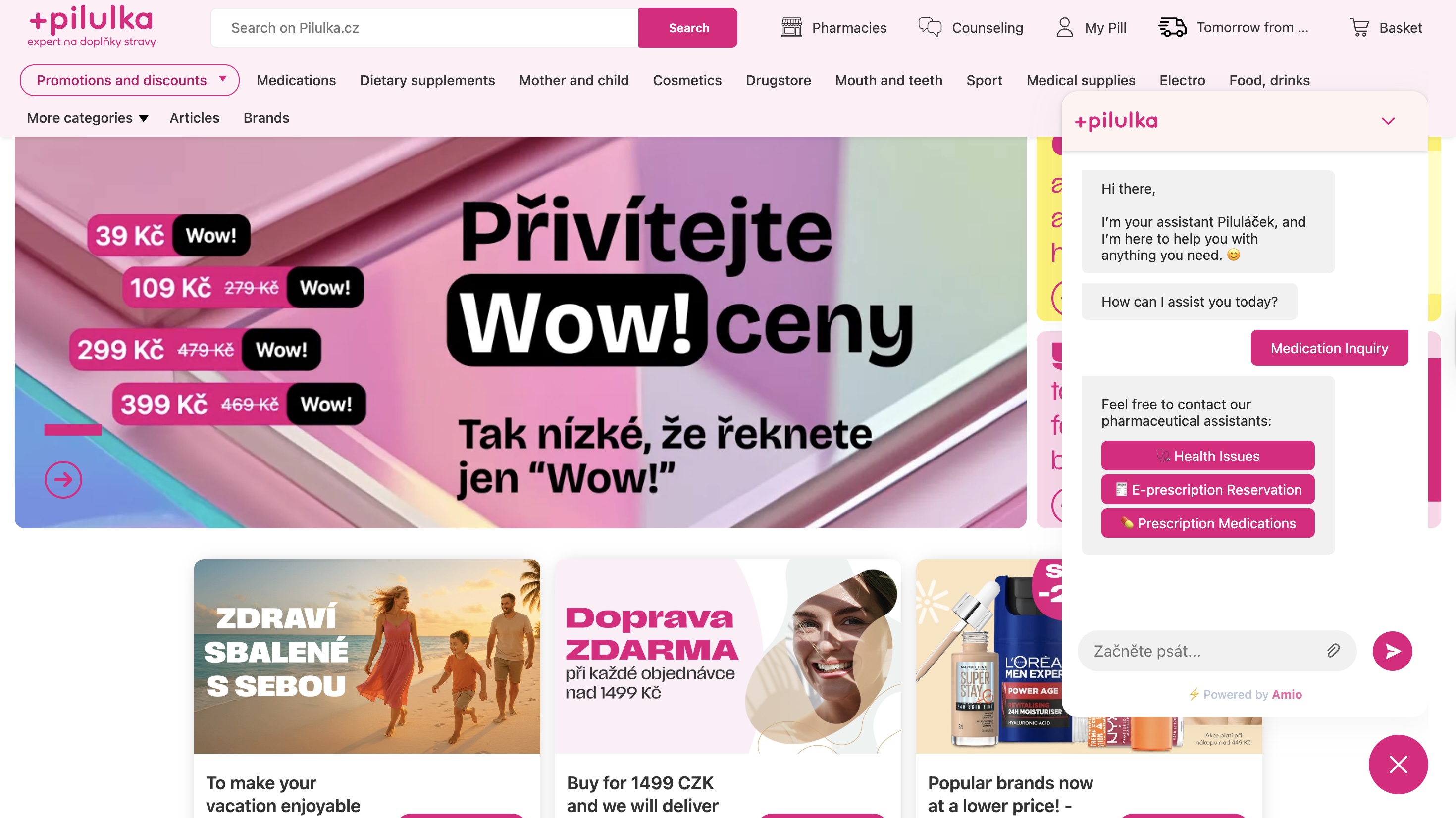
Pilulka, one of Central Europe's largest e-commerce pharmacies, integrated AMIO's conversational AI to handle customer queries 24/7. The result: fewer repetitive tickets for support agents, higher customer satisfaction scores, and lower cost per resolution without adding headcount. Read the full case study →
Want a deeper dive into what to automate, what not to, and how to avoid the most common traps? Check out this breakdown: Customer Service Automation in 2026: Tools, Tips & Mistakes to Avoid
3. Build Customer Loyalty with Micro-Rewards
Too many brands treat loyalty like a punch card: buy 10, get 1 free. But today’s customers? They’re not just looking for points. They’re looking for proof that your brand sees them, values them, and rewards them in ways that actually mean something.
Enter the micro-win: small, unexpected moments that delight customers and quietly build the kind of emotional connection that no 10% discount ever could.
Behavioral psychology calls this the “endowed progress effect”: when customers feel like they’re already making progress toward something (even a small reward), they’re more likely to stay engaged.
How to Build a Micro-Reward System for Customer Loyalty
The best micro-rewards don't feel like rewards at all. They feel like recognition. A customer who completes their first order, reaches a usage milestone, or stays active for a certain period should feel that the brand noticed.
Progress also matters. Companies like Duolingo and Strava have shown that visible progress creates motivation. The same principle applies in ecommerce. Showing customers how much they've saved, how many orders they've completed, or how close they are to a reward keeps them engaged.
Finally, surprise beats predictability. An unexpected shipping upgrade or early access to a new collection often creates a stronger emotional response than another generic 10% discount code.
Real-World Example
Sephora's Beauty Insider program is a masterclass in micro-rewards done right. Members don't just accumulate points, they unlock birthday gifts, early access to new product launches, and invitations to exclusive in-store events. None of those feel like discounts. They feel like recognition. The result: over 34 million members who spend significantly more per visit than non-members. The product hasn't changed. Only the relationship has.
4. Give Your Automated Interactions a Human Voice
Automation is the engine behind modern engagement, but if it sounds like a robot wrote it, your customers will bounce faster than you can say “unsubscribe.”
The truth? People don’t mind automation. What they hate is soulless automation. Messages that feel templated. Chatbots that sound like spreadsheets. Subject lines that read like error logs.
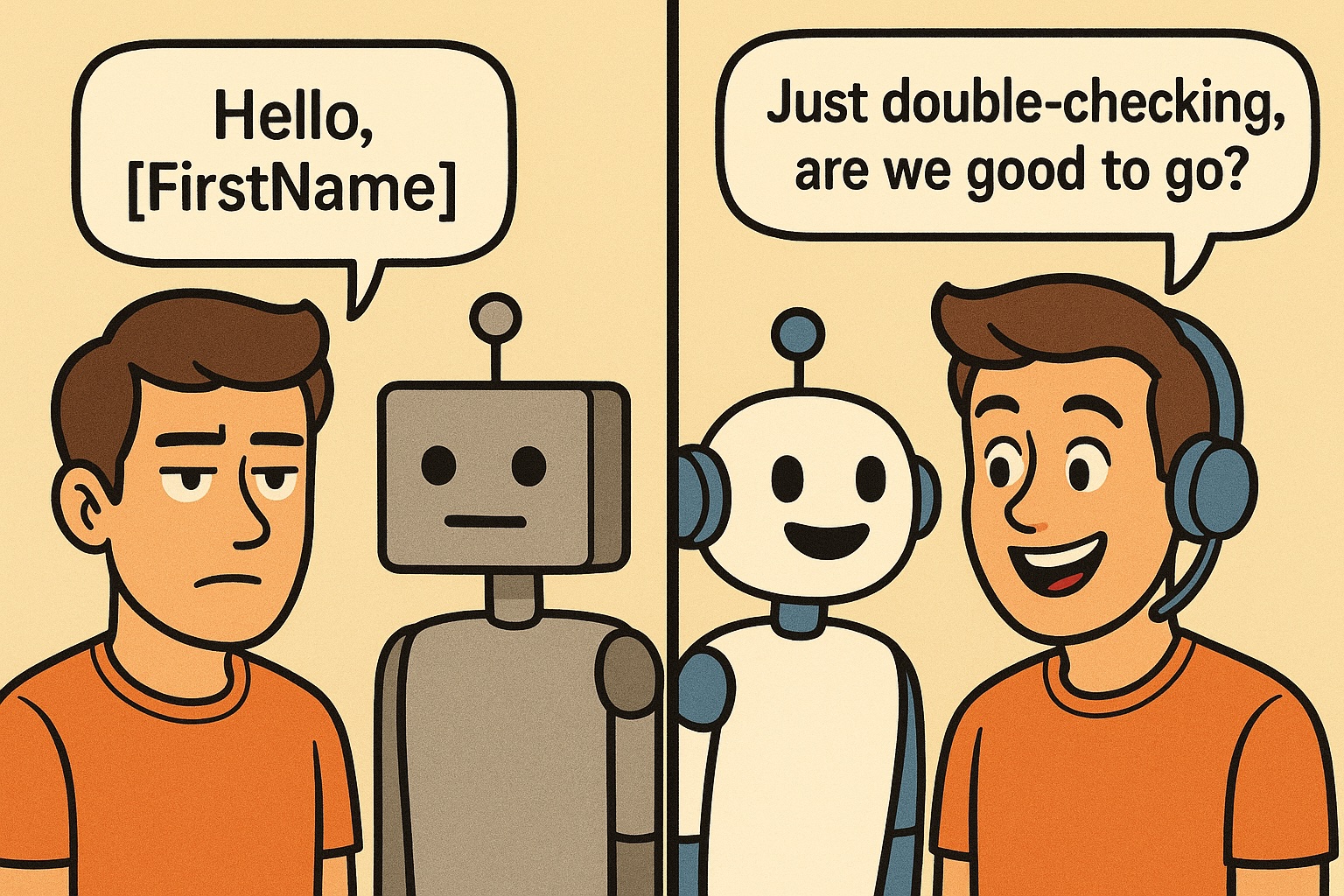
If you want to drive meaningful customer engagement, you need more than workflows and timing. You need a voice. You need a story. You need something that says, “A real human (with a sense of humor and a heartbeat) was behind this.”
How to Create a Consistent Brand Voice Across Channels
- Give your bots a personality. AMIO lets you infuse chatbots and flows with brand-specific language, pacing, and tone. Think: helpful, casual, and never robotic. Instead of “Please confirm,” say: “Just double-checking, are we good to go?”
- Add micro-stories. Short, human moments make automation memorable. Use phrases like: “Our founder once turned the volume way down in the office by accident, so we added a confirmation step. Just like this one.”
- Tailor tone to the moment. Support messages should be calming, not clinical. Feature updates should excite, not confuse. AMIO gives you modular voice controls that adjust based on channel, timing, or even user mood.
5. Turn Your Customer Base into a Community
Email lists are fine. Follower counts are nice. But if you want real, long-term customer loyalty, you need something stronger than a mailing list. You need a movement. And that starts with building a community.
Today’s customers want to connect, not just with your brand, but with each other. A thriving community creates a sense of belonging, trust, and shared purpose. It’s where your most engaged customers become your best advocates, your smartest testers, and your unofficial support team.
You don’t need to build Reddit from scratch. Community can be as small as a private Slack group, a VIP WhatsApp broadcast list, or a curated online forum. The key is making it intentional, valuable, and human.
How to Build a Customer Community Around Your Brand
- Start with your superfans. Invite your most active customers or subscribers into a private space. Make it exclusive, but welcoming. Think “insider circle,” not gated community.
- Give early access, not sales. Let them test new features, vote on packaging, submit product name ideas. Co-creation builds loyalty.
- Encourage peer-to-peer support. Encourage users to answer questions, share hacks, or post real use cases. Reward the most helpful with shoutouts or special discounts.
- Celebrate their wins. Did someone hit a personal milestone using your tool? Post about it. Let others cheer them on. You’re not just building a brand, you’re building a shared identity.
Real-World Example
LEGO Ideas invites fans to submit and vote for new set designs. Once an idea earns 10,000 supporters, LEGO reviews it for production, turning hobbyists into product collaborators and fueling deep emotional investment. (See full case study)
Common Customer Engagement Mistakes to Avoid
Most customer engagement strategies fail not because of bad intentions, but because of two recurring mistakes: treating activity as engagement, and treating personalization as a mail merge.
Personalization Starts with Context, Not First Names
Using a customer's name in a subject line is not personalization. It's a mail merge. Real personalization means using behavioral data, purchase history, and customer segmentation to deliver content that actually makes sense for that specific person at that specific moment.
If your recommendation engine suggests dog food to someone who just bought a cat tower, you don't have a personalization strategy. You have a data problem. Customers expect brands to remember past interactions, understand their preferences, and use first-party data to make every touchpoint feel relevant, not random.
Activity Doesn't Equal Engagement
Posting on social media, sending weekly newsletters, and running automated email flows does not mean your customers are engaged. It means you're active. There's a difference. Scroll through your inbox. How many brands sound exactly the same?
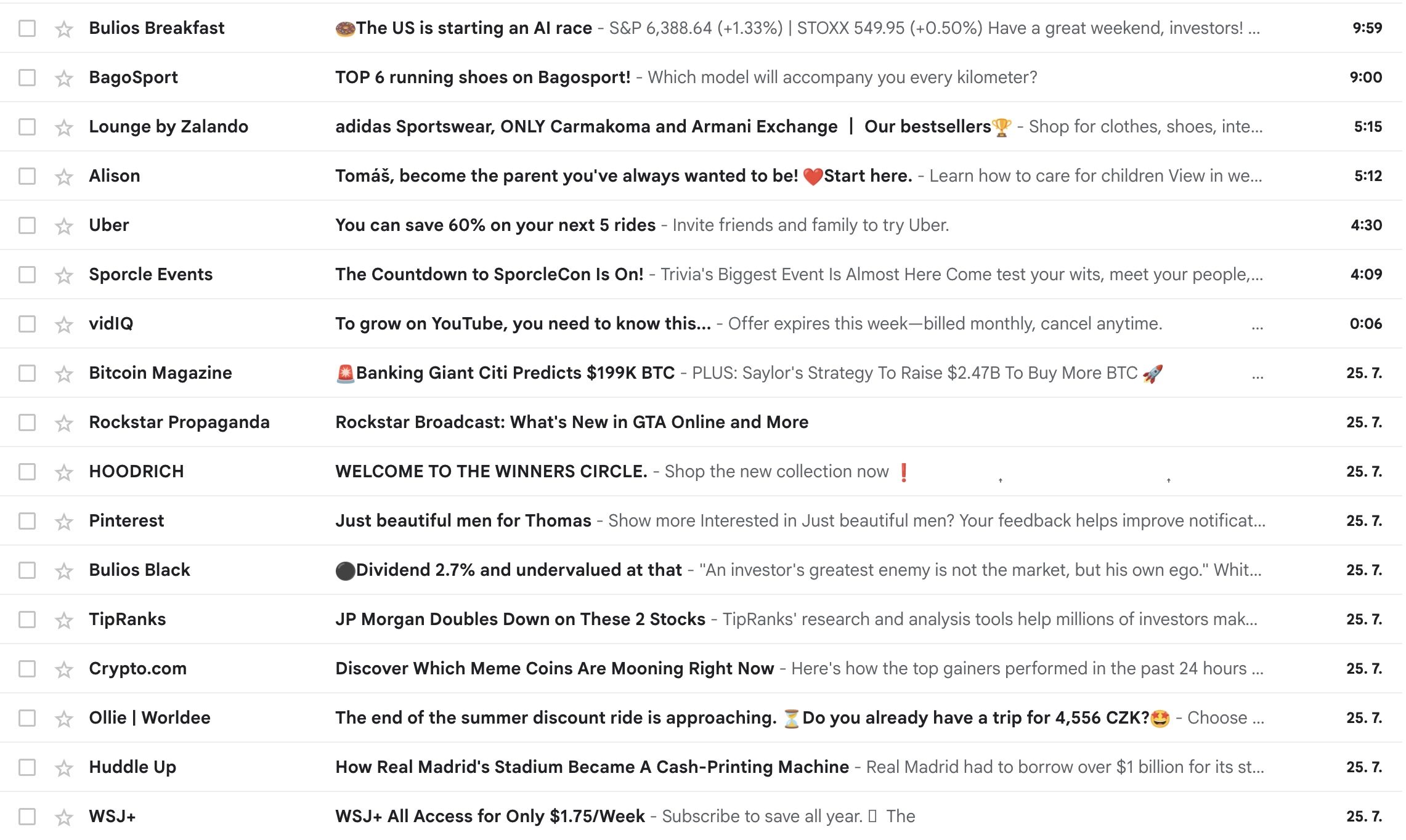
Generic messages sent across all channels at scale lead to one outcome: low open rates, high churn, and customers who stop noticing you entirely. The brands that win on customer engagement aren't the loudest, they're the ones whose communication actually means something when it lands.
Start Building Your Customer Engagement Strategy Today
Customer engagement isn't built in one campaign. It's the result of hundreds of small, deliberate decisions across the customer journey.
The real question isn't "are our numbers improving?" It's "how do our customers feel after talking to us?" Confident? Understood? Or like they're customer #4,892 in a ticket queue? Brands that win on customer loyalty aren't the ones with the most sophisticated automation stack or with the biggest budgets. They're the ones that built something stickier than discounts: relevance, trust, and a consistent sense that someone actually gave a damn.
If you're looking for a way to put these strategies into practice, AMIO helps e-commerce brands automate repetitive customer interactions while keeping every touchpoint personal. Book a demo and see what that looks like for your store.
Frequently Asked Questions
Why does customer engagement matter?
Engaged customers spend more, stay longer, and refer others. According to Bain & Company, improving customer retention by just 5% can boost profits by 25–95%. In a market where customers have unlimited alternatives and zero patience, engagement is the moat that's hardest to replicate and the one competitors can't copy overnight.
What do customers really want from brands today?
Three things: relevance, speed, and to feel understood. Customers expect brands to use purchase history and behavioral data to personalize every interaction, not just put their name in a subject line. They want real-time responses across the channels they already use, and they want every touchpoint to reflect that your brand actually knows them.
What are the most important customer engagement metrics?
Five metrics give the clearest picture: CSAT for immediate feedback after interactions, Net Promoter Score for long-term loyalty, retention rate for how well you're keeping customers, churn rate for how fast you're losing them, and Customer Lifetime Value for the revenue impact of engagement over time.
What's the difference between customer engagement and customer experience?
Customer experience is the quality of each interaction across the customer journey. Customer engagement is the emotional outcome. Whether those interactions build a relationship or just complete a transaction. You can have a smooth customer experience with zero emotional engagement. The goal is to deliver both.
How can AI improve customer engagement?
AI handles repetitive interactions such as shipping queries, returns or FAQ instantly so human agents can focus on high-value conversations. It also enables personalization at scale using behavioral data and purchase history. The best AI implementations don't replace the human connection. They create more room for it.
Table of Contents
Start building AI chatbots with Amio.
Book a 30-minute session where we will find out how AI bot can help you decrease call center costs, increase online conversion, and improve customer experience.
Book a demoWhat is Amio?
We understand your business on
Book a 30-min consultation session where we will discuss your support cost optimization potential, experience improvements, including our online conversion increase techniques
Request a demo